Malta
St. Paul's Bay
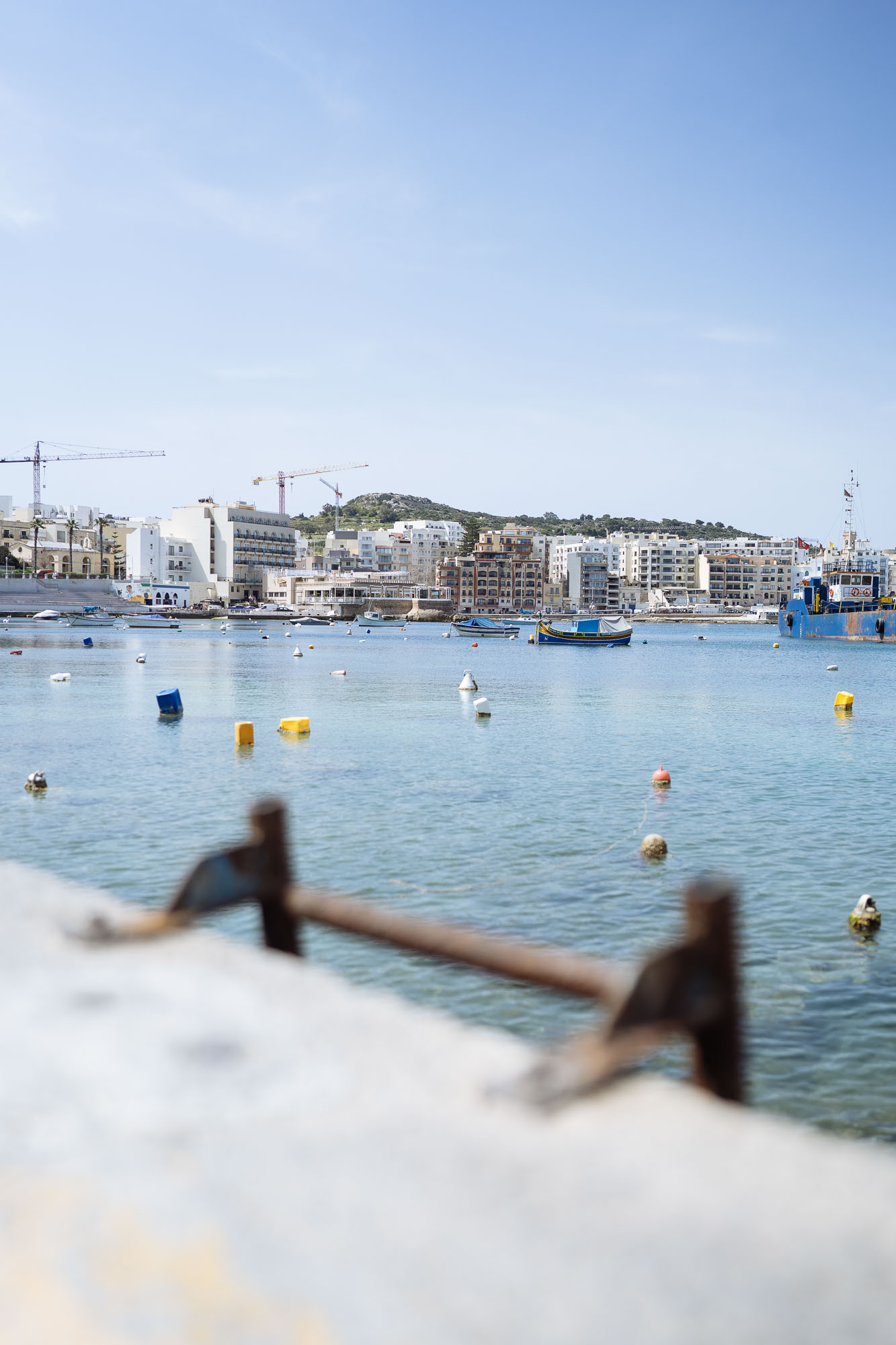
After landing, we headed straight to our base in St. Paul's Bay to get our first taste of Malta. A stroll along the waterfront offered a promising glimpse of what we'd come for: clear Mediterranean waters, rugged coastline and plenty of sunshine. So far, so good.
Ghajn Tuffieha Bay
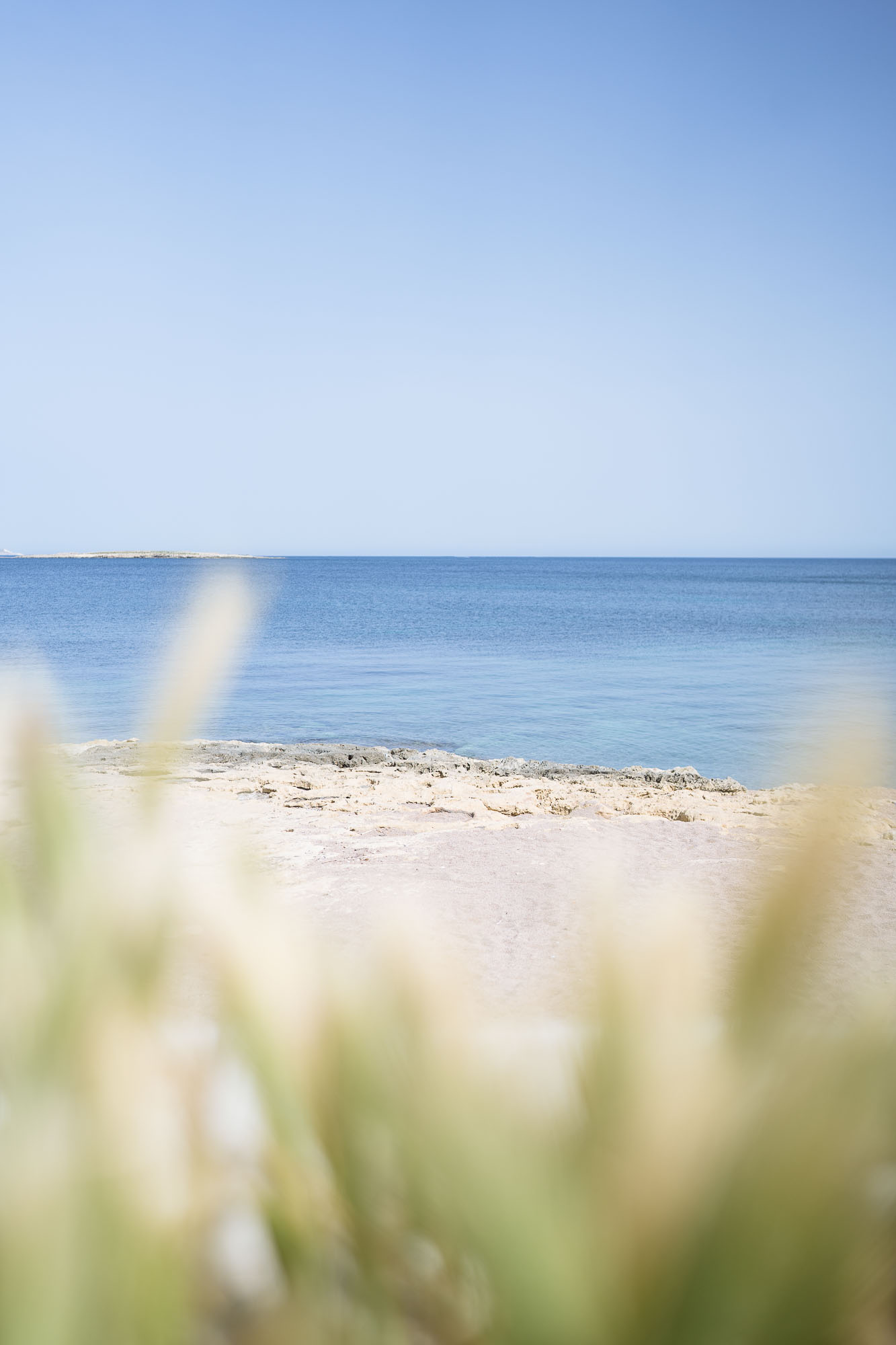
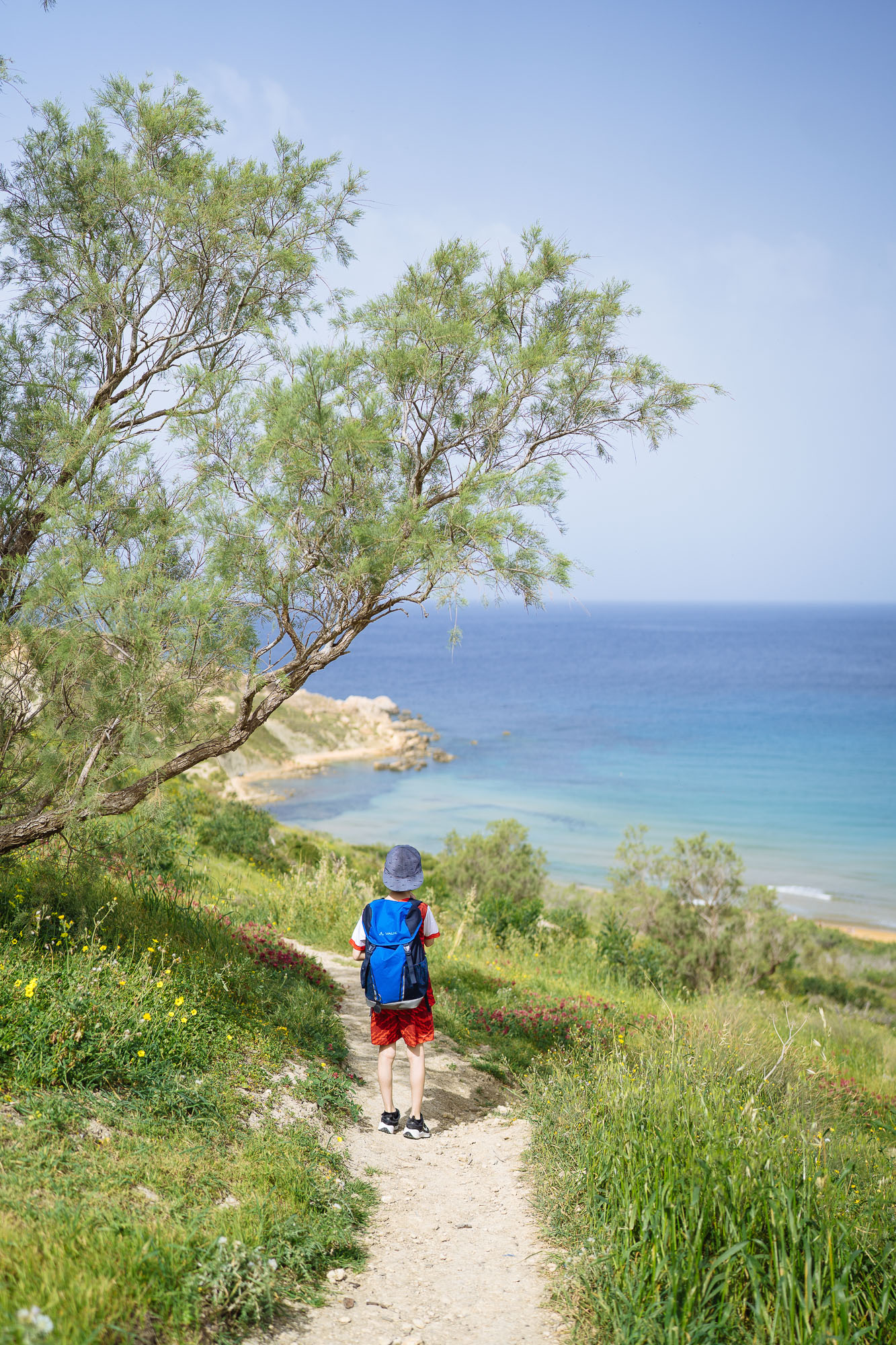
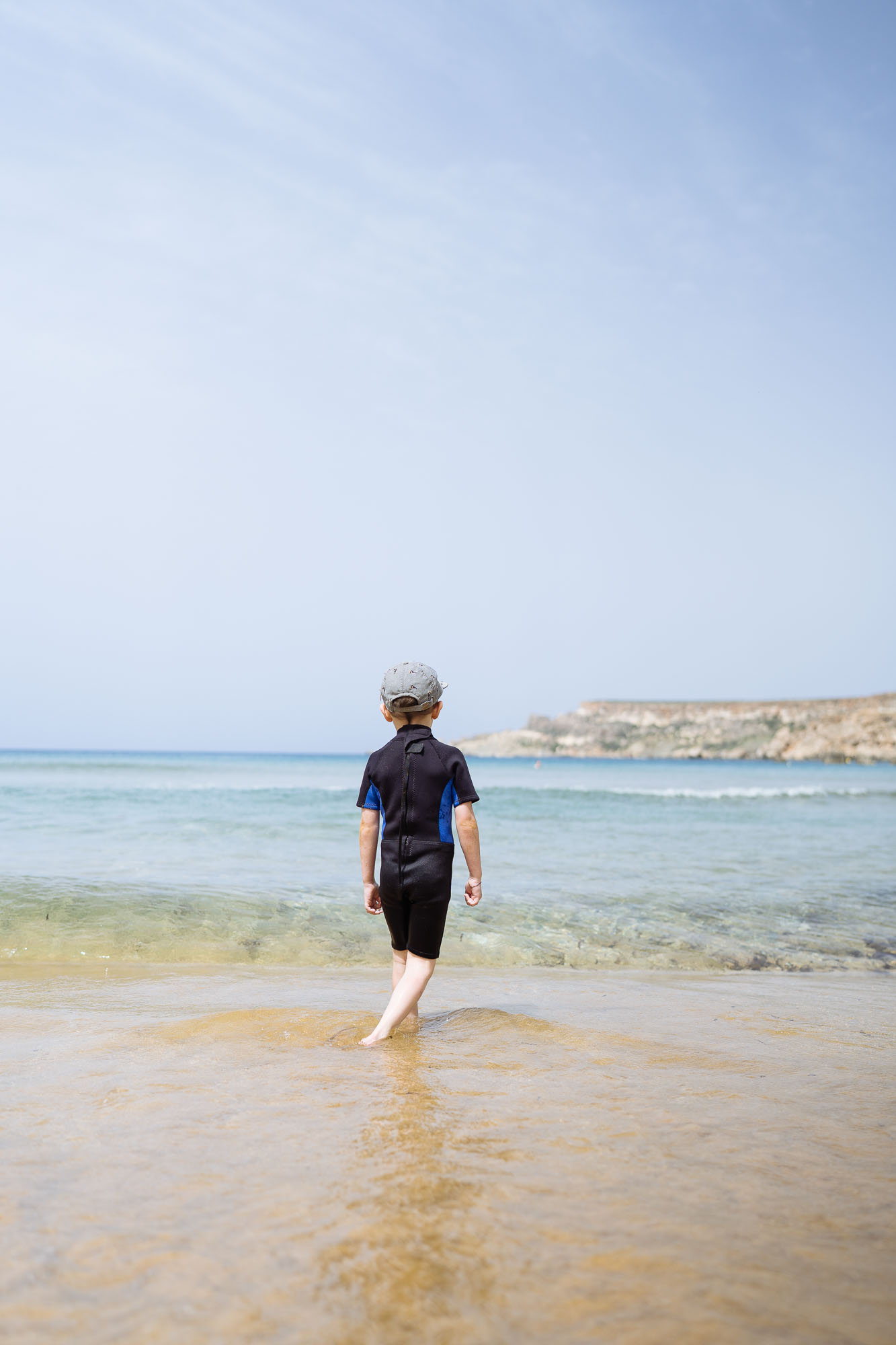
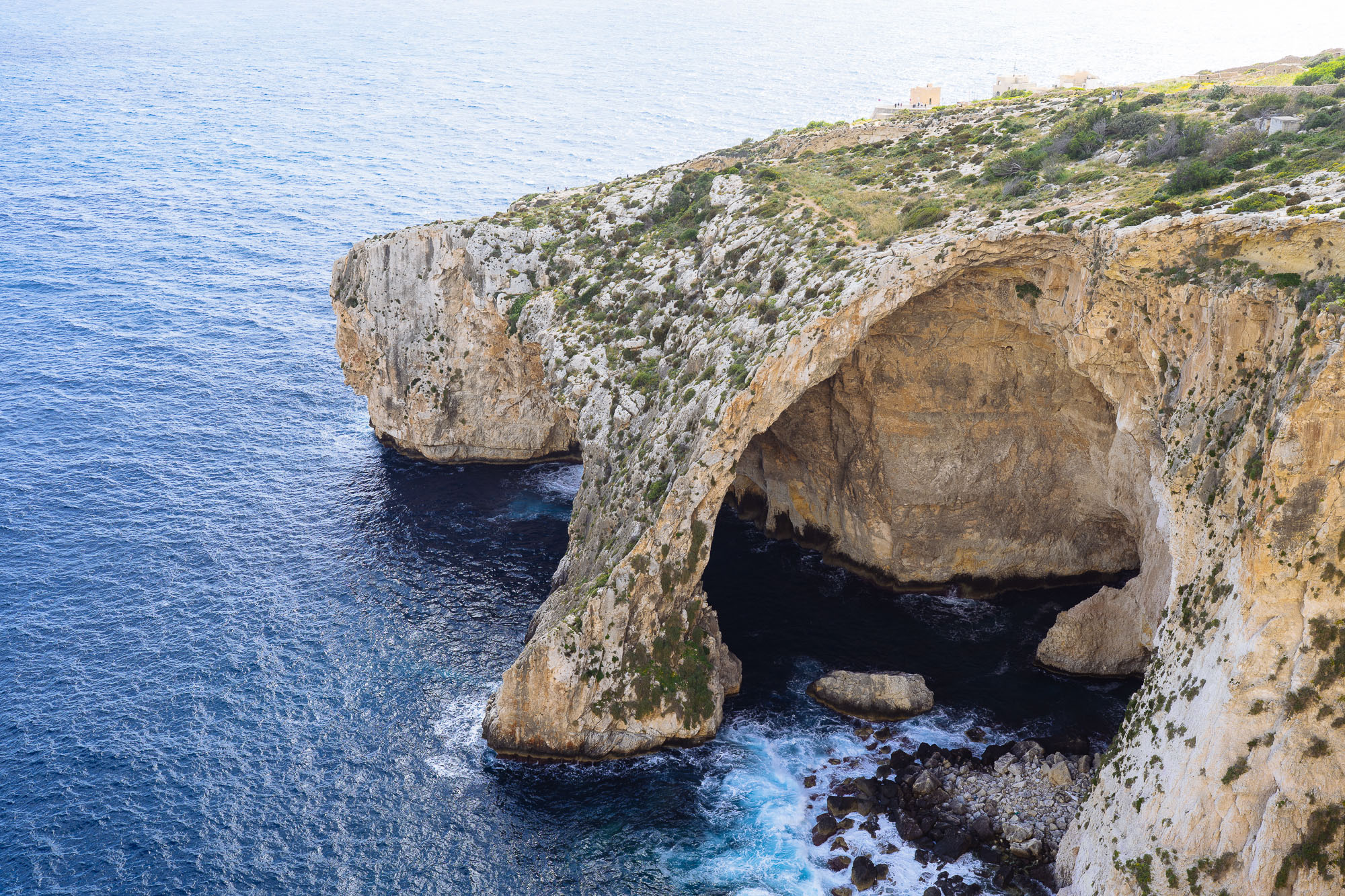
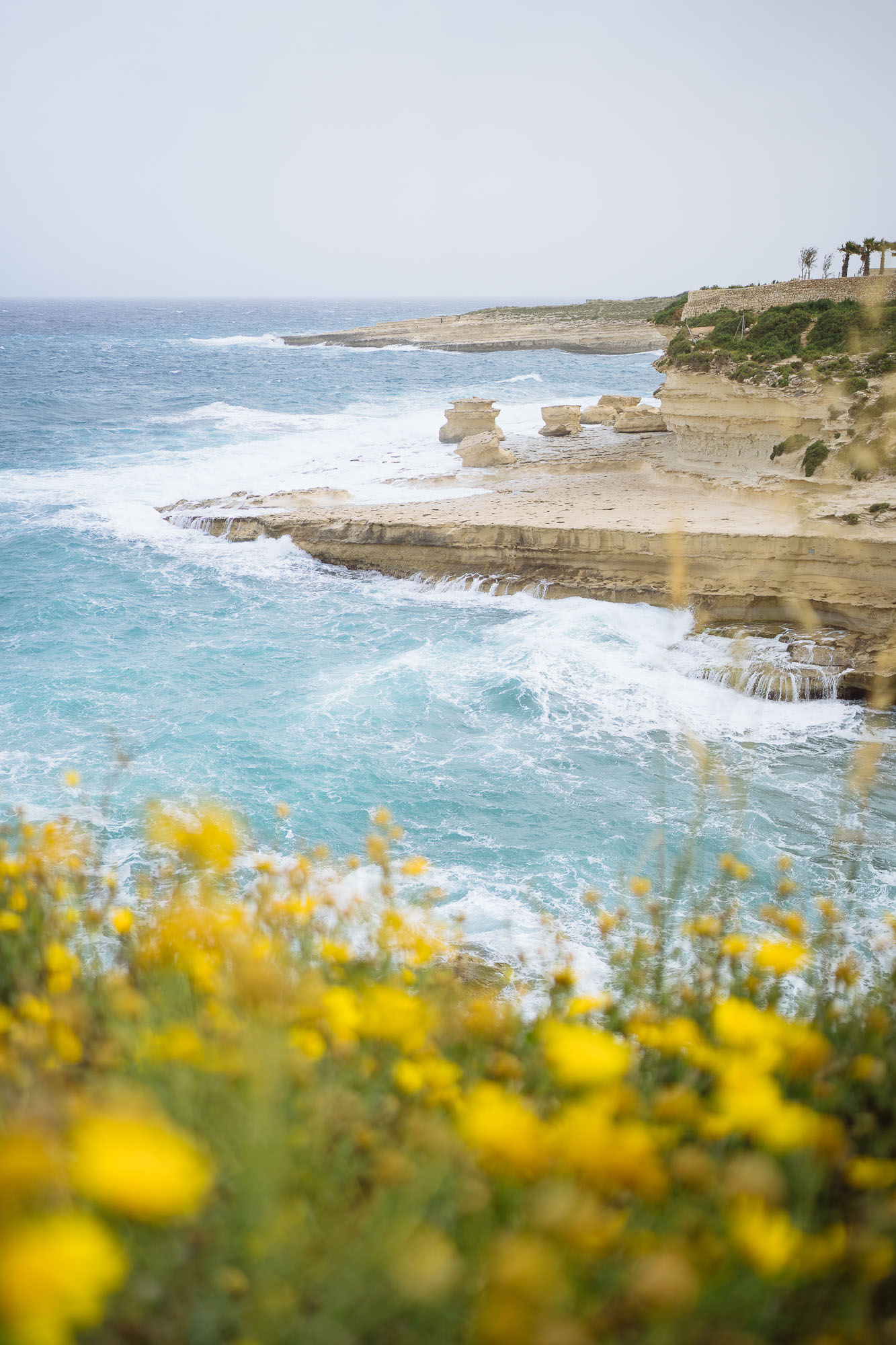
Our first – and only – proper dip came after a hike along the spectacular cliffs surrounding Ghajn Tuffieha Bay. With its golden-red sand, rugged headlands and remarkably clear water, this stretch of Malta's northwest coast was easily one of the most beautiful places we visited. The Mediterranean looked inviting enough – though in April, it was still a little colder than we'd hoped. Fortunately, we'd come prepared. Wetsuits to the rescue.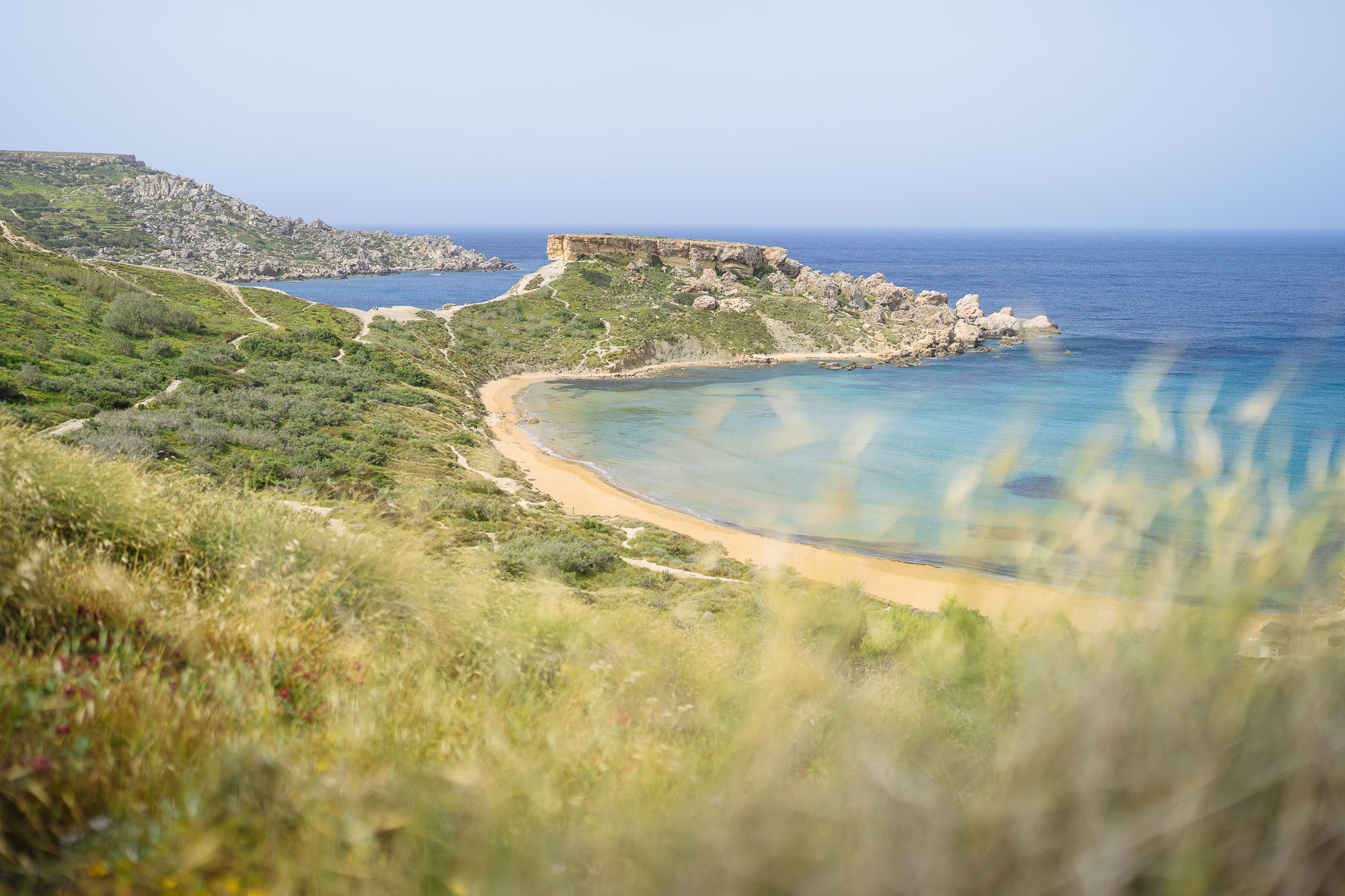

Marsaxlokk
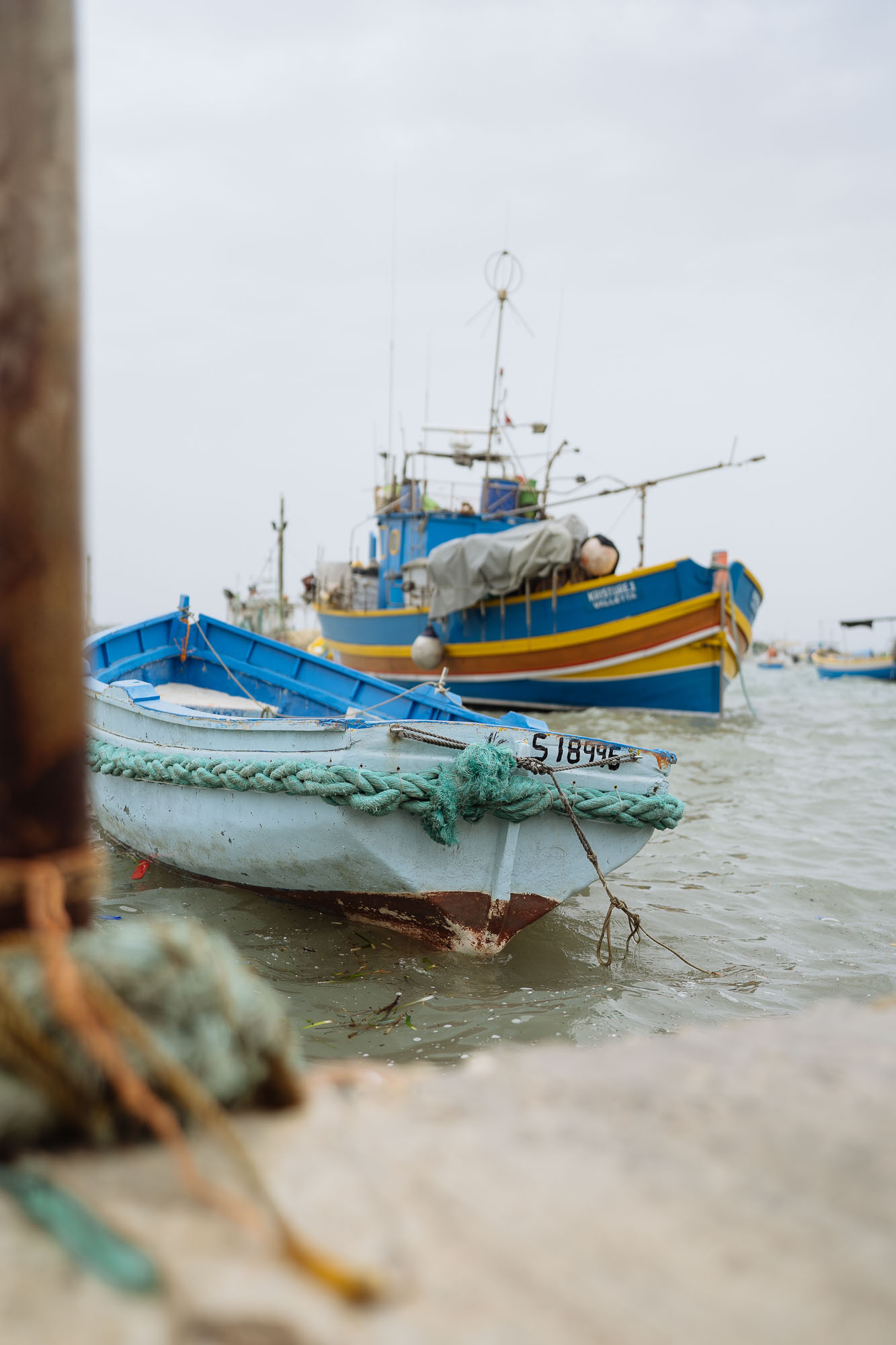
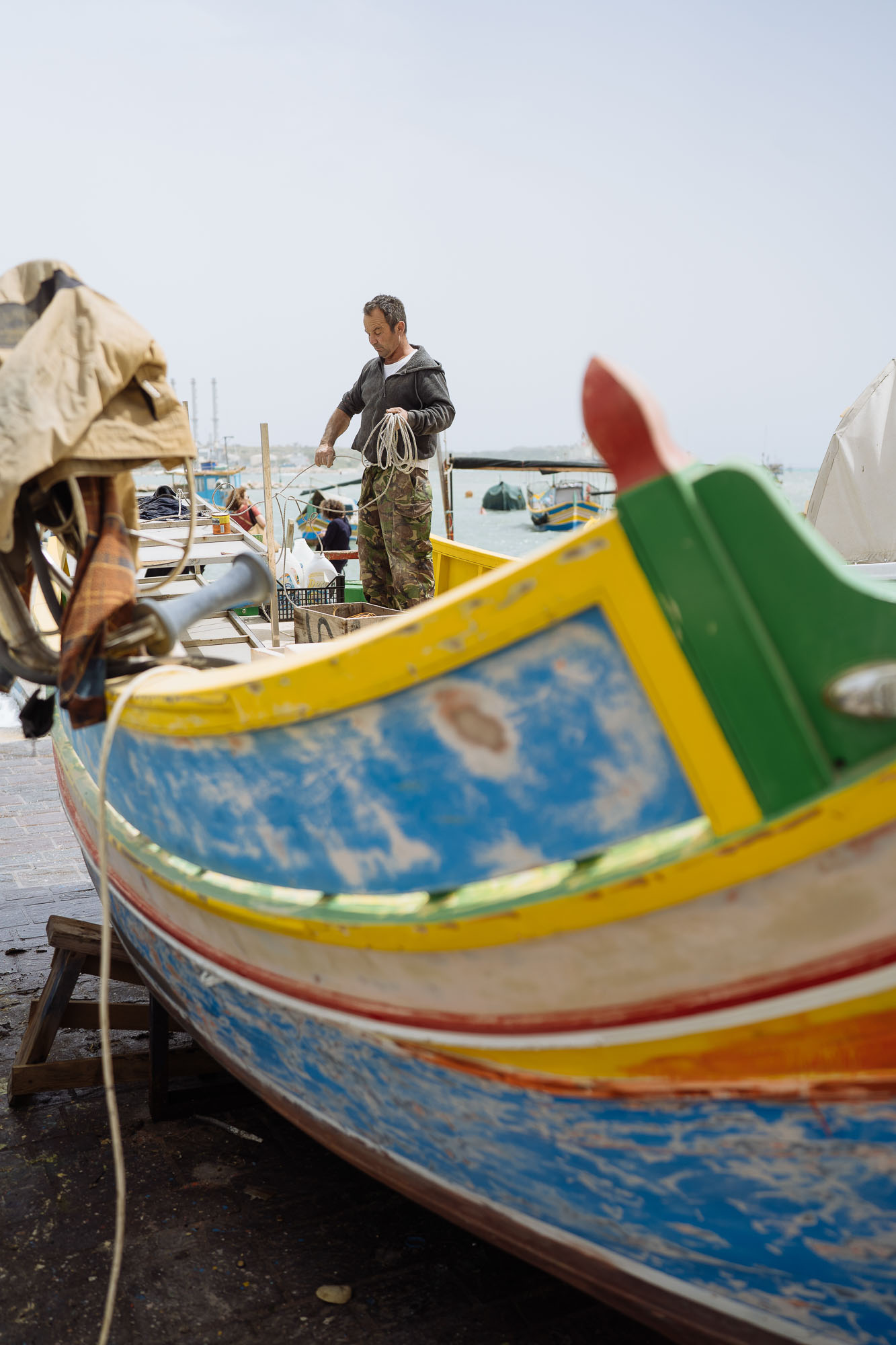
Further south, we explored the fishing village of Marsaxlokk and the rugged coastline around Il-Kalanka Bay. But the real attraction was the harbour, where rows of brightly painted traditional fishing boats, known as 'luzzijiet', bobbed gently in the water. Many still carry the watchful eyes painted on their bows, an old Mediterranean tradition believed to protect fishermen at sea. And with so much fishing heritage around us, lunch at a local seafood restaurant seemed like the obvious choice.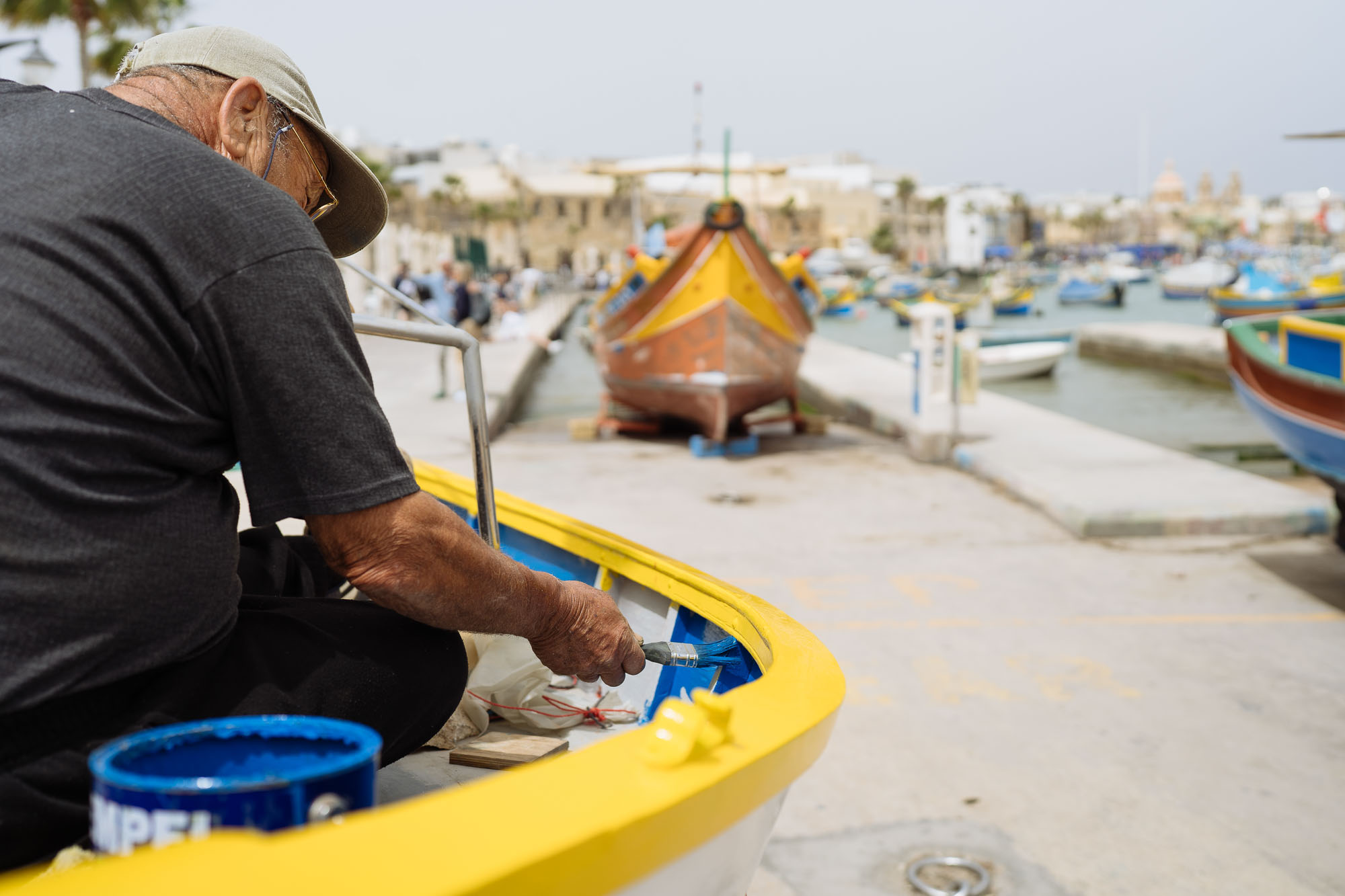

Valletta and the Three Cities
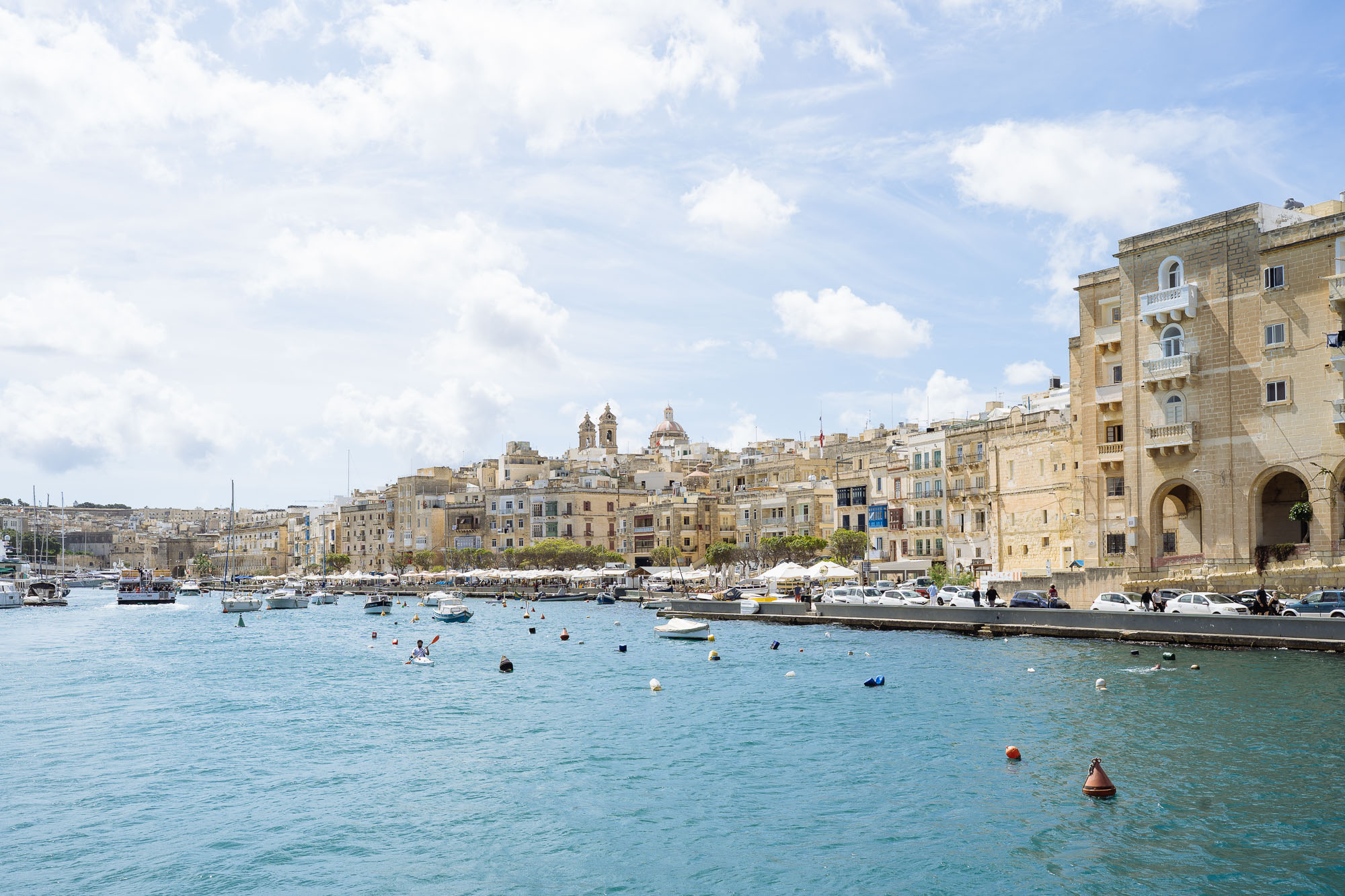
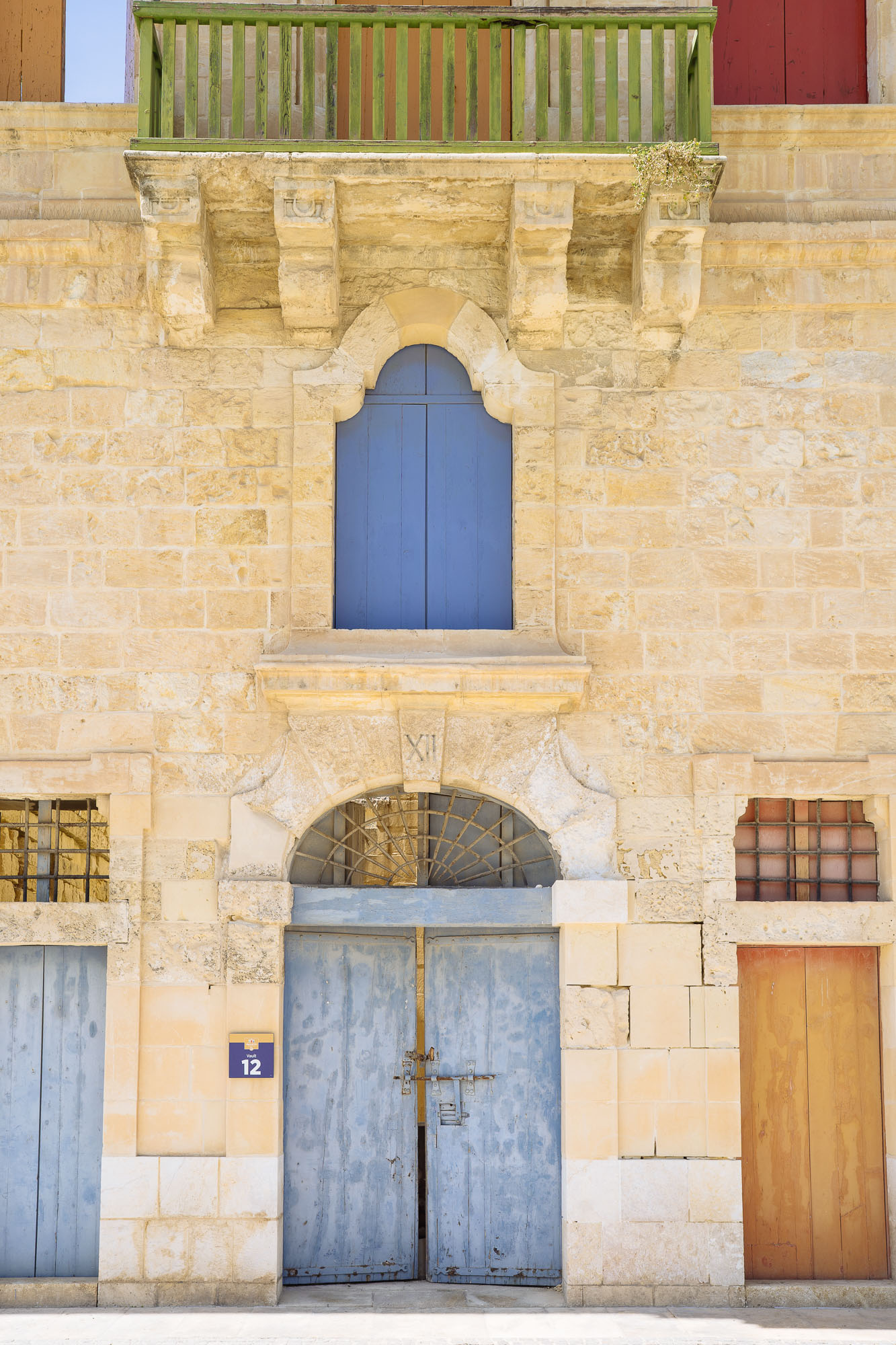
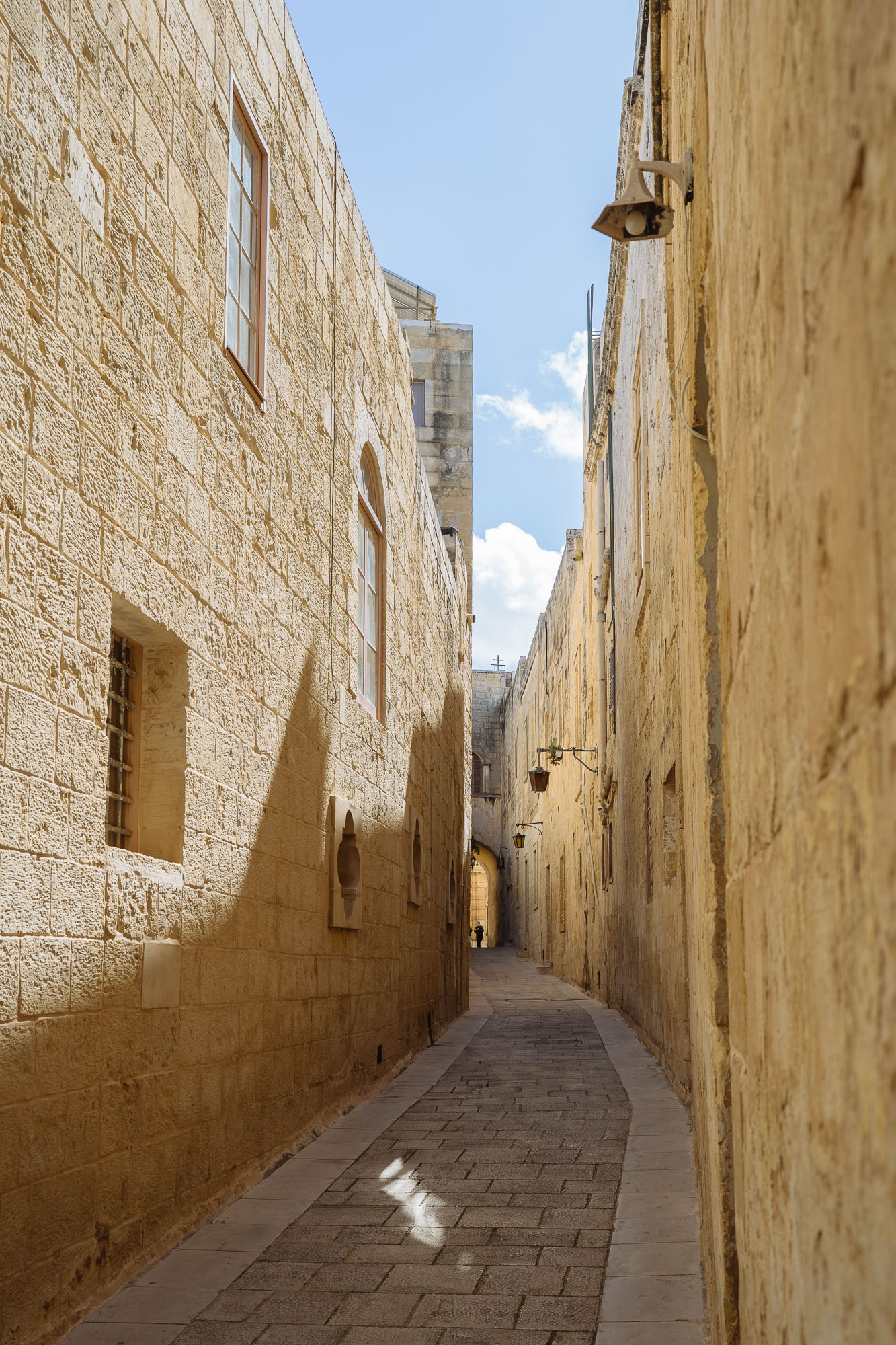
No visit to Malta would be complete without Valletta. Perched above the Grand Harbour, the tiny capital packs an extraordinary amount of history into its narrow streets and imposing fortifications. We explored the waterfront by boat, taking in the Three Cities – Vittoriosa, Senglea and Cospicua – across the harbour, where centuries of maritime history seem to be written into every stone. Back in Valletta, Fort St. Elmo offered another fascinating glimpse into the island's turbulent past, having played a crucial role in the Great Siege of 1565. For such a small island, Malta has seen an astonishing amount of history.
Good Friday
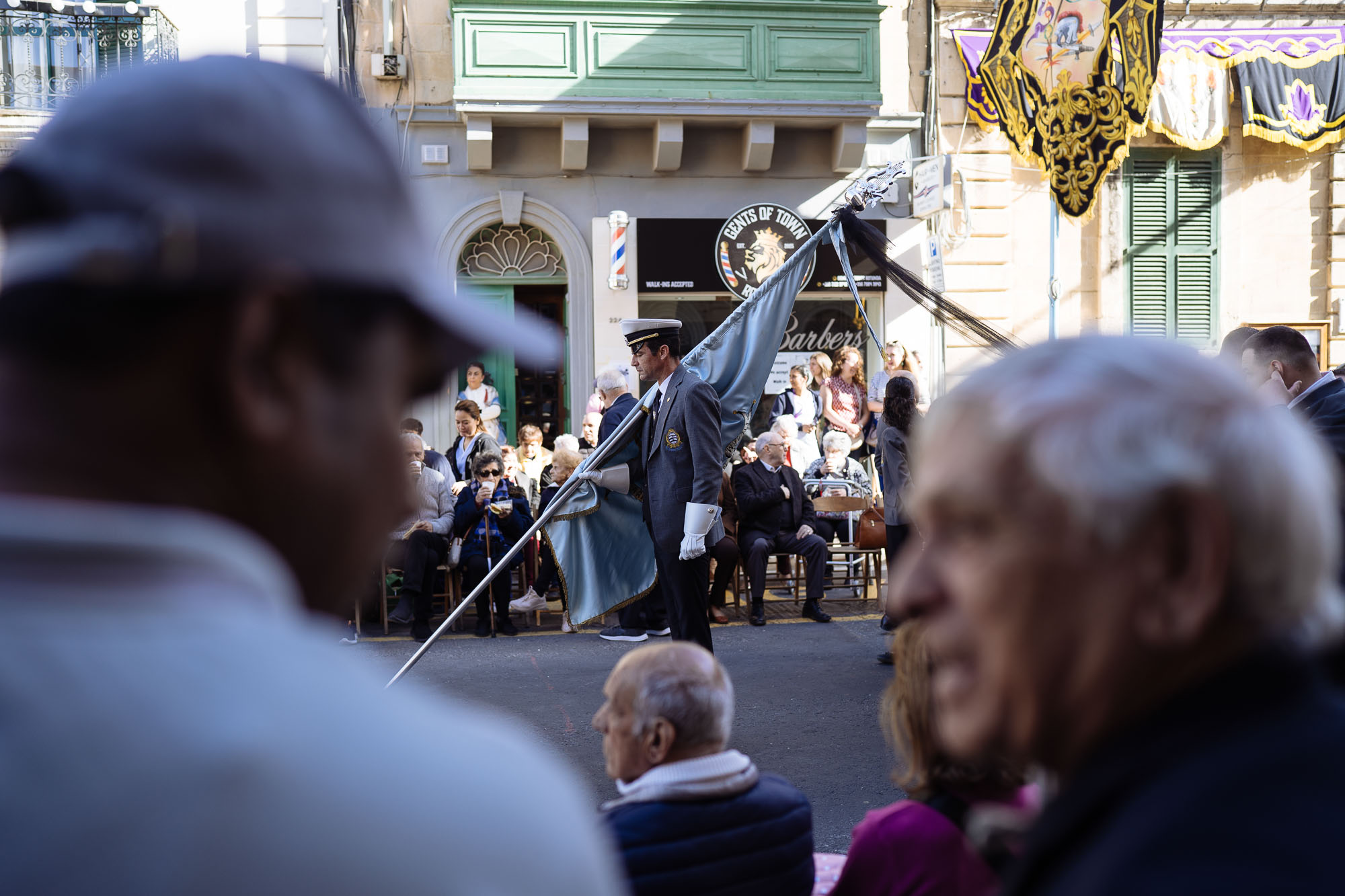
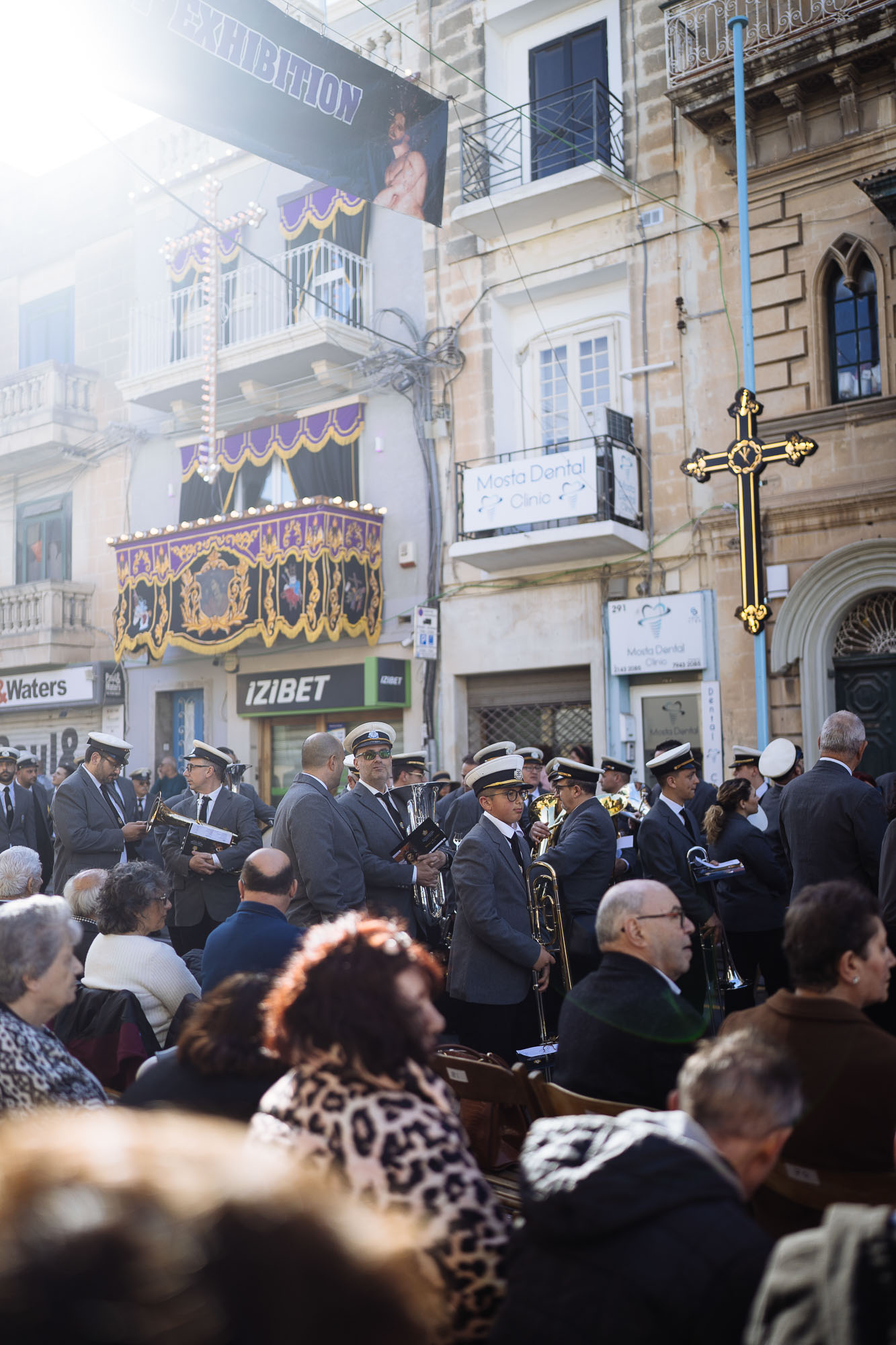
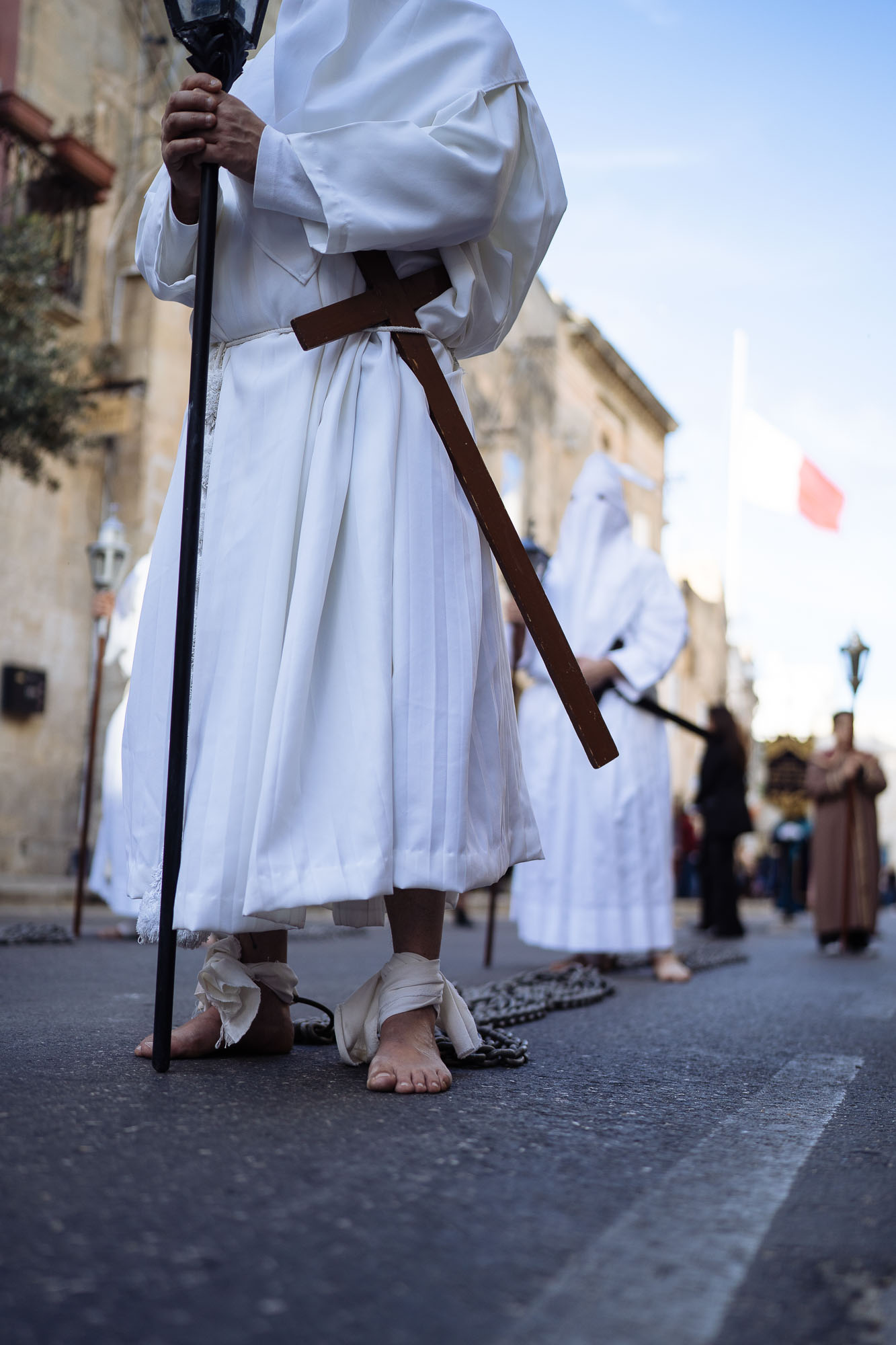
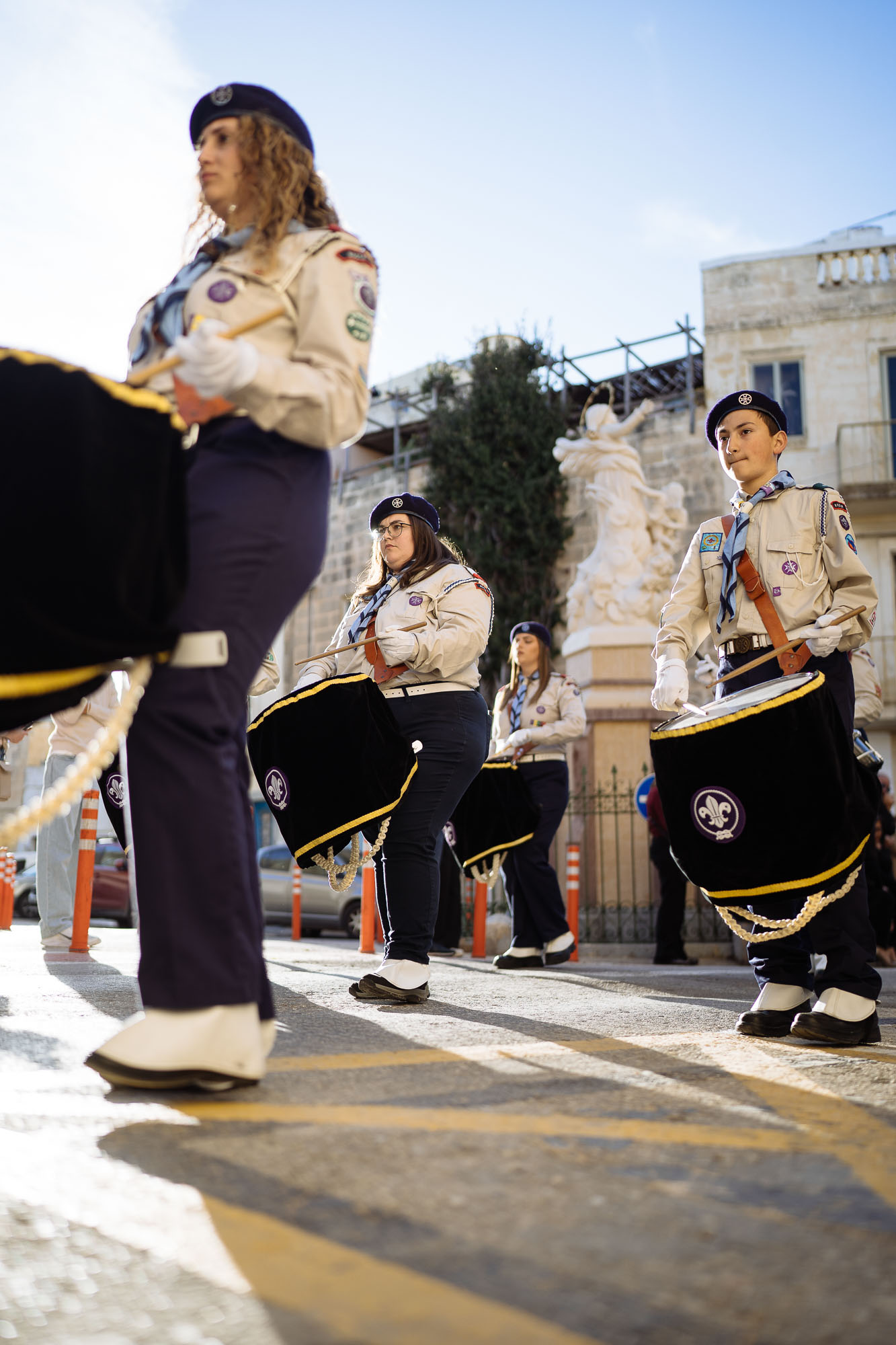
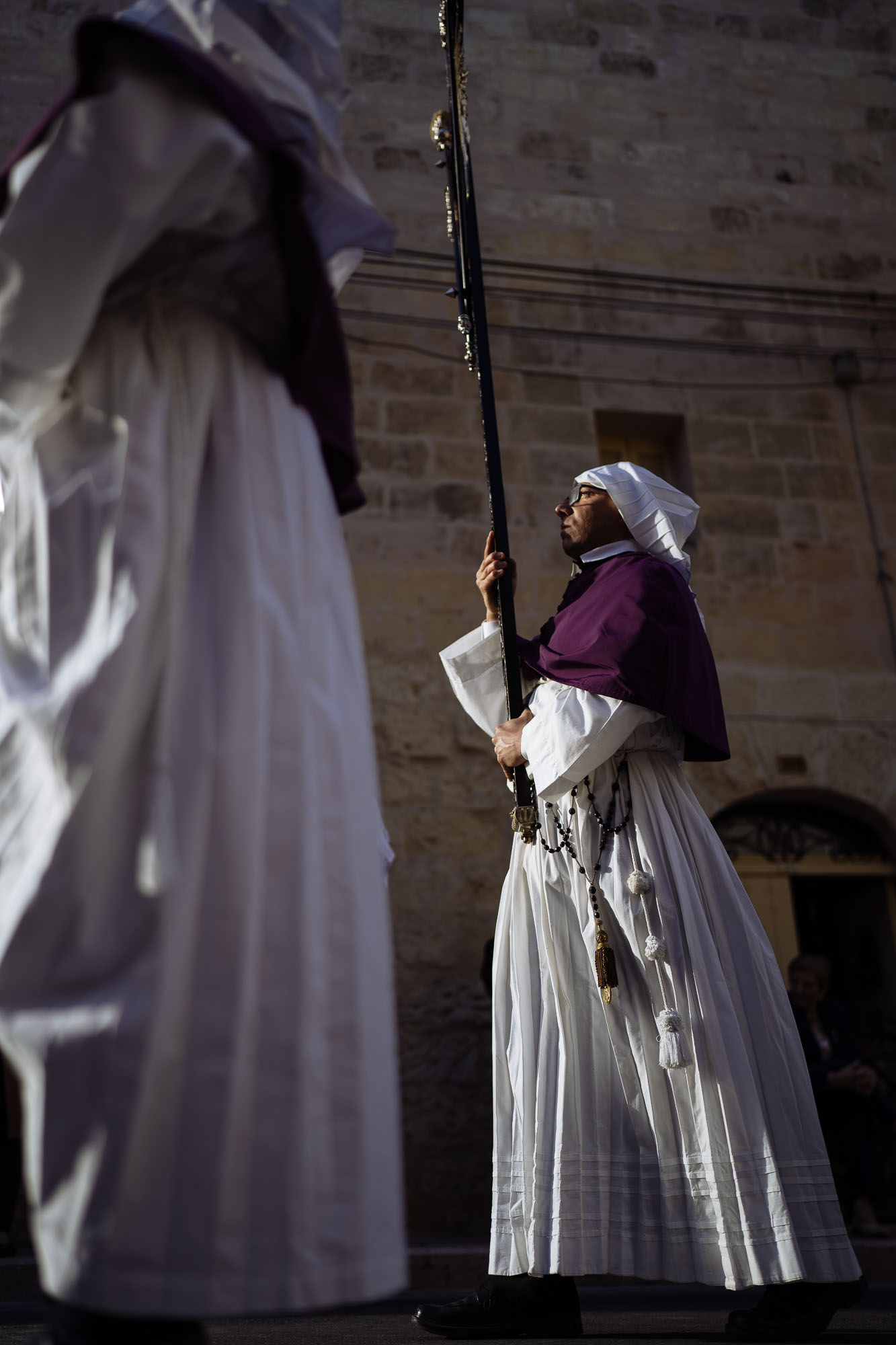
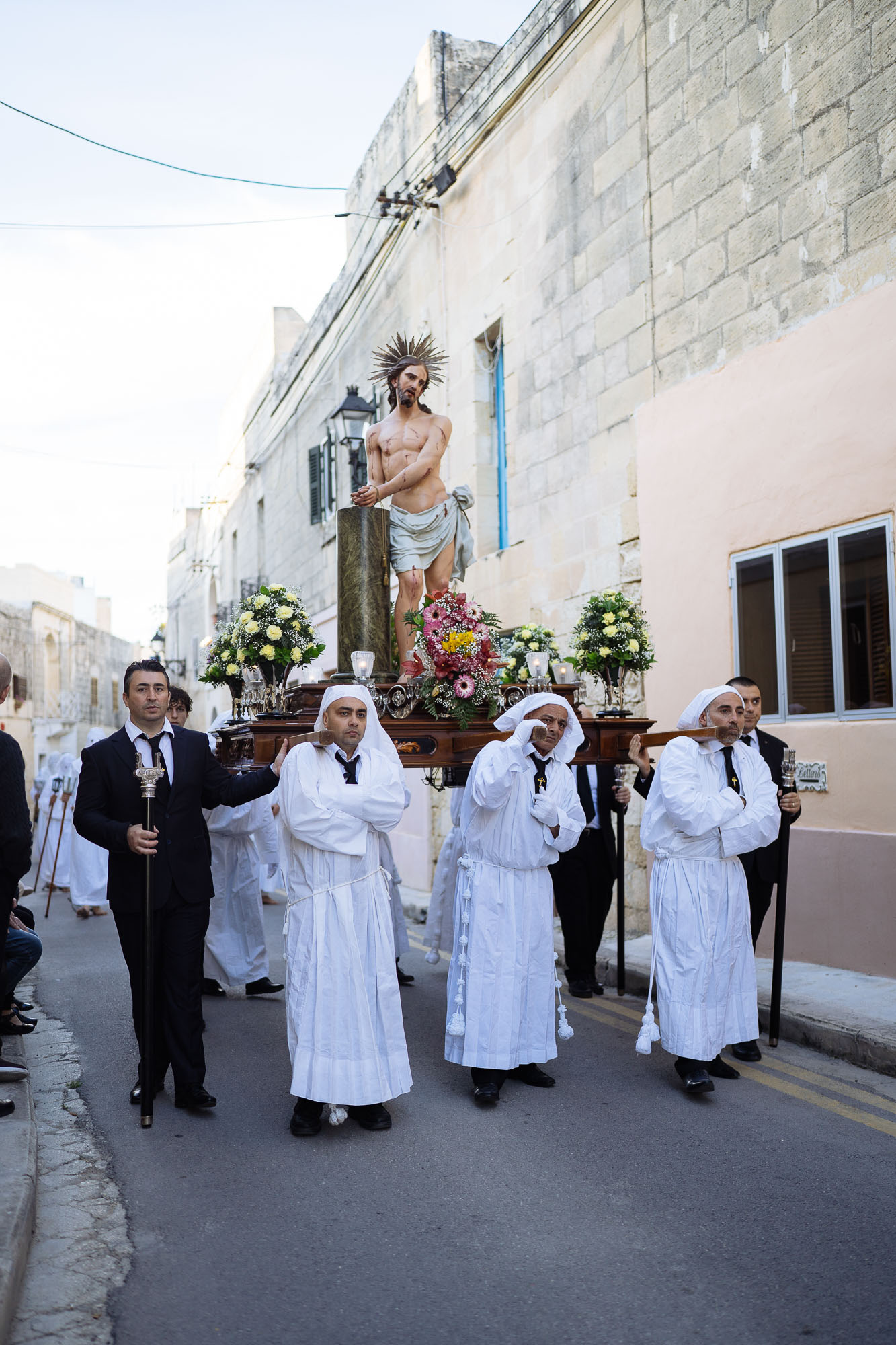
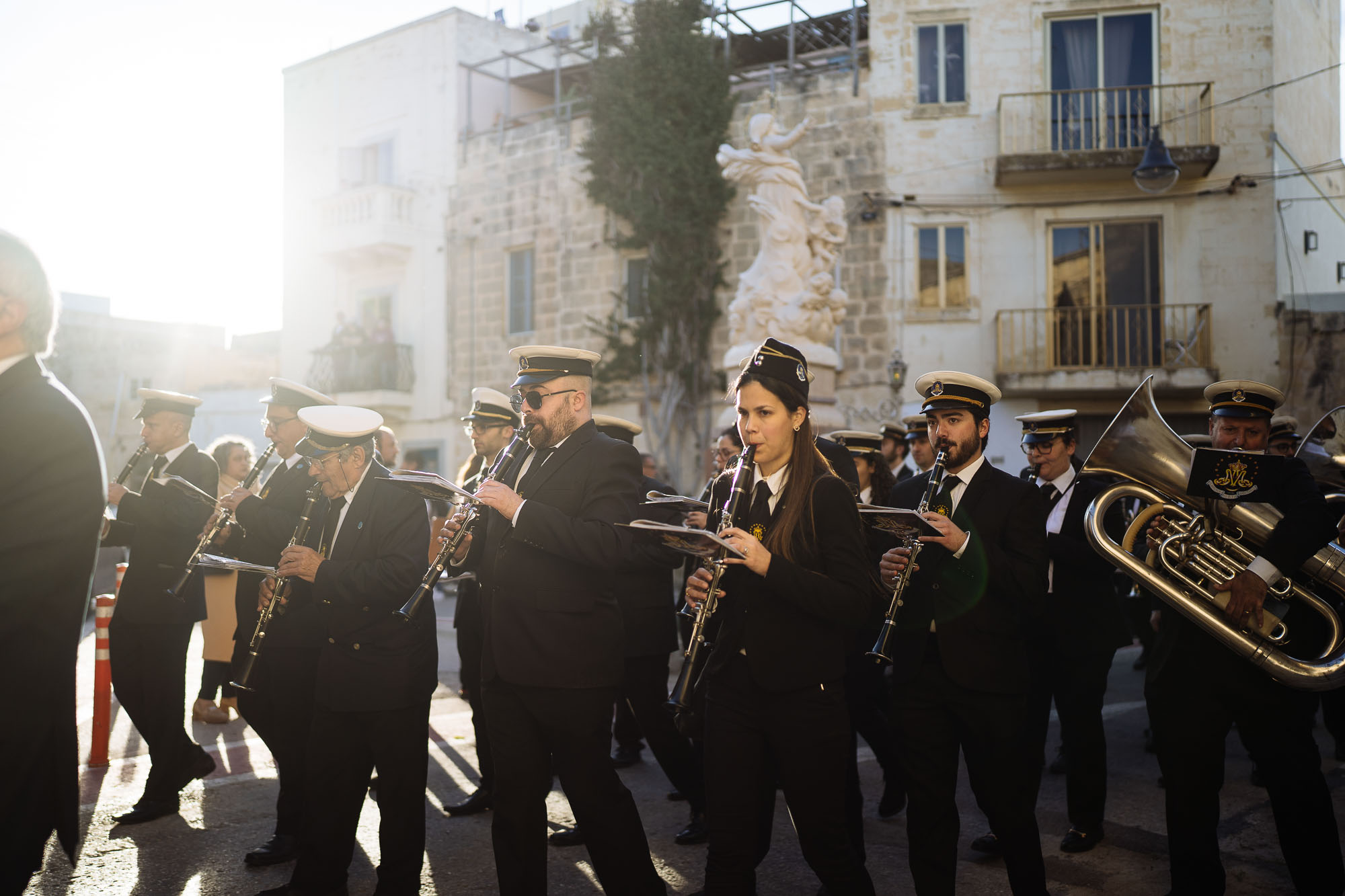
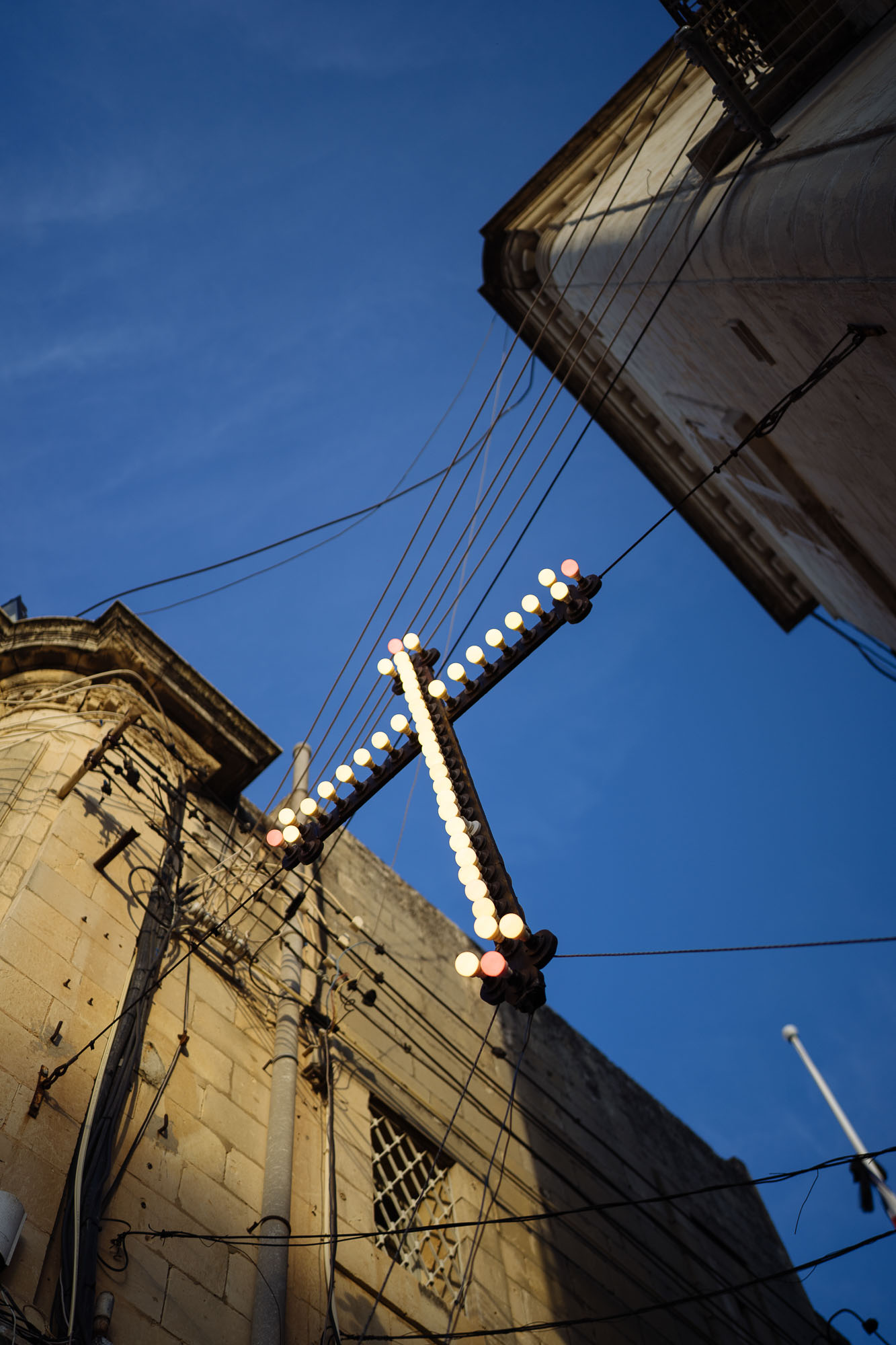
Festivals and local traditions have always held a special place in my travels. And while I'm no stranger to Good Friday processions, coming from a Catholic-rooted part of Germany myself, what we witnessed in Mosta was something else entirely.